Movement Hub
Movement is medicine. Whether you're in a hospital bed, recovering at home, or working your way back to full strength, moving your body — even in small ways — can make a meaningful difference in how you feel and how you heal.
Why Movement Matters
Our bodies are designed to move. When illness or injury keeps us still for extended periods, muscles weaken, joints stiffen, and energy levels drop. Research from the National Institutes of Health consistently shows that regular physical activity — even gentle movement — supports cardiovascular health, improves mood, reduces fatigue, and accelerates recovery. Movement also promotes better sleep, sharper thinking, and a stronger immune system.
Moving While in the Hospital
Being hospitalized doesn't mean being motionless. Simple, intentional movements can prevent complications like blood clots, pressure sores, and muscle loss. According to the Johns Hopkins Medicine team, even small efforts — like sitting up in bed, wiggling your toes, doing gentle arm lifts, or taking a few steps with support — can help maintain strength and keep the body engaged in the healing process. Ask your care team about safe movements you can do from your bed or chair.
Moving During Recovery
Recovery is not a straight line, and movement during this phase looks different for everyone. The goal isn't to push through pain — it's to gently remind your body what it's capable of. A short walk down the hallway, gentle stretching, or light physical therapy exercises can help rebuild strength and confidence over time. The Mayo Clinic emphasizes that consistency matters more than intensity — showing up each day, even for a few minutes, makes a real impact.
Getting Stronger Every Day
As recovery progresses, movement can evolve from gentle exercises to more structured activity. Walking longer distances, adding light resistance, practicing balance exercises, or following a guided rehabilitation program all contribute to rebuilding physical resilience. The American Heart Association recommends finding activities you enjoy — because the best movement is the kind you'll keep doing. Whether it's a daily walk, chair yoga, swimming, or dancing in the kitchen, every bit counts.
Movement for the Mind
The benefits of movement go far beyond the physical. Studies from Harvard Medical School show that exercise stimulates the release of endorphins and other brain chemicals that reduce stress, ease anxiety, and lift mood. For patients navigating the emotional weight of chronic illness, movement can be a powerful outlet — a way to reclaim a sense of control and feel at home in your body again.
At the reBRAINed initiative, we believe that movement is a form of self-care, not a competition. Start where you are, do what you can, and celebrate every step forward — no matter how small.
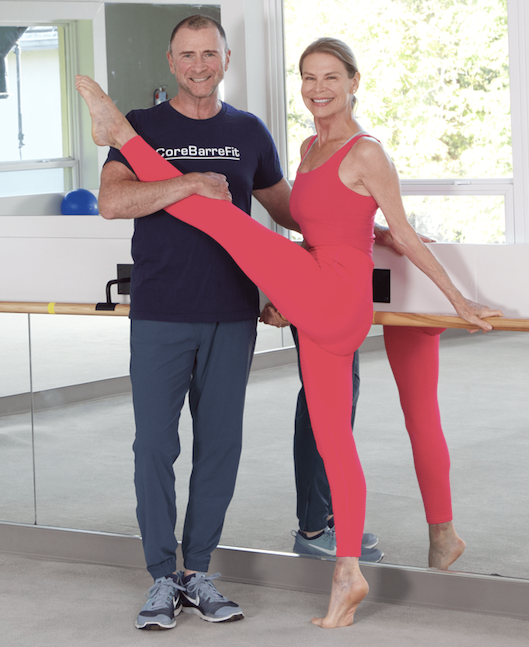
Barre legends and CoreBarreFit founders Elisabeth Halfpapp and Fred DeVito,
who helped build the Exhale brand, have devoted their lives to refining physical movement.
Merging the grace of the ballet barre with the mindfulness of yoga and deep stretching,
this powerful duo have developed a roster of classes to help you in your recovery
while maximizing flexibility, range of motion and balance.
Matthew required customized rehabilitation after each of his procedures.
Early on, the focus was limited to promoting blood flow in bed. This evolved into more active
exercises in a chair, and eventually led to mobility-based exercises once he was standing.
Lis and Fred's curated classes, successfully met Matthew's needs.
We are excited to share these same resources with you.
Bed Exercises
Chair Recovery Exercise Video
Hip Replacement Recovery Exercise Video
Stretching To Reduce Mental Stress & Tension
For more information and to learn more about CoreBarreFit click here
To enjoy three (3) complimentary CoreBarreFit livestream classes, and a 30-minute consultation with co-founder Lis Halfpapp, please email Lis directly at Elisabeth@corebarrefit.com.